- info@donations.com
- Mon - Sat: 08.00 am - 05:00
- Pellentesque hendrerit turpis magna, non
Every child has the right to education, no matter their financial situation. Education not only helps children grow but also empowers them to build a better future for themselves and contribute to society. Unfortunately, millions of children around the world miss out on quality education because of poverty. They face many challenges, such as a lack of school supplies and proper nutrition, which makes it harder for them to succeed.
This article examines the impact of poverty on a child’s education and future, highlighting the role of Billion Blessings in providing education for underprivileged children.
Poverty and education are closely linked. Children from poor families face many challenges that make learning difficult. They may not have access to schools because their families can’t afford it, or there may not be proper schools nearby. Many struggle with hunger, which affects their ability to focus and learn. They also lack basic learning materials like books, technology, and good teachers. Unstable home conditions add to their stress, making it harder to study. Some are even forced to work instead of going to school. These difficulties don’t just affect their education—they impact their chances of getting a good job, earning a stable income, and building a better future.
For many poor families, sending their children to school is a struggle. They can’t afford fees, uniforms, books, or even the cost of getting to school. In some places where education is free, there are still extra costs like exam fees and school activities that make it hard for children to attend regularly. For these families, education feels more like a luxury than a basic right..
A child’s ability to learn is directly linked to their health and nutrition. Malnourished children often suffer from:
A hungry child cannot learn effectively, which is why school meal programs play a crucial role in encouraging attendance and improving learning outcomes.
Rich kids have everything they need to learn—books, internet, private tutors, and the latest technology. But children from poor families often have to make do with old textbooks, not enough school supplies, and teachers who may not be properly trained because schools don’t have enough money. The gap has grown even bigger with online learning, as many poor kids don’t have access to the internet or digital resources, making it even harder for them to keep up.
In underprivileged areas, schools often lack basic facilities such as:
Without these essentials, children face additional challenges that discourage them from pursuing education.
Many children from poor families are forced into child labor to support their households, working as street vendors, domestic workers, or in hazardous conditions. Even if they attend school, they are often mentally and physically exhausted, making it difficult to concentrate.
Similarly, many girls in impoverished communities are expected to take on household chores or marry at a young age, cutting their education short.
Without a good education, children from poor families find it difficult to get stable jobs, keeping them stuck in a cycle of low income and financial struggles. As a result, many end up working in restaurants or factories, which offers little growth and limits their chances of a better future.
Lack of education leads to social exclusion, crime involvement, and lower civic engagement. Education empowers individuals to participate actively in their communities, but without it, they remain marginalized.
Education is one of the strongest tools to break the cycle of poverty. However, without proper schooling, children grow up with limited skills, restricting their ability to improve their socio-economic status.
Below are the solutions which can be used to overcome this problem:
Governments and NGOs must work to eliminate financial barriers to schooling by offering:
Providing nutritious meals at schools can significantly improve attendance and cognitive function. Programs such as mid-day meals in developing countries have successfully reduced dropout rates.
Investing in better schools, teachers, libraries, and sanitation facilities ensures that children have a conducive learning environment.
For those unable to complete formal education, vocational training programs in fields like carpentry, tailoring, and digital skills can provide employment opportunities.
Providing affordable internet, online learning resources, and digital literacy programs can help underprivileged children stay on par with modern education standards and close the digital gap.
Local communities, governments, and businesses must collaborate to spread awareness about the importance of education and implement policies that prevent child labor and promote inclusive learning opportunities.
Poverty should never be a barrier to a child’s education. Every child, regardless of their socio-economic background, deserves access to quality education, proper nutrition, and a supportive learning environment. While poverty poses significant challenges, targeted interventions can help children break free from its grasp and build a better future for themselves and their communities.
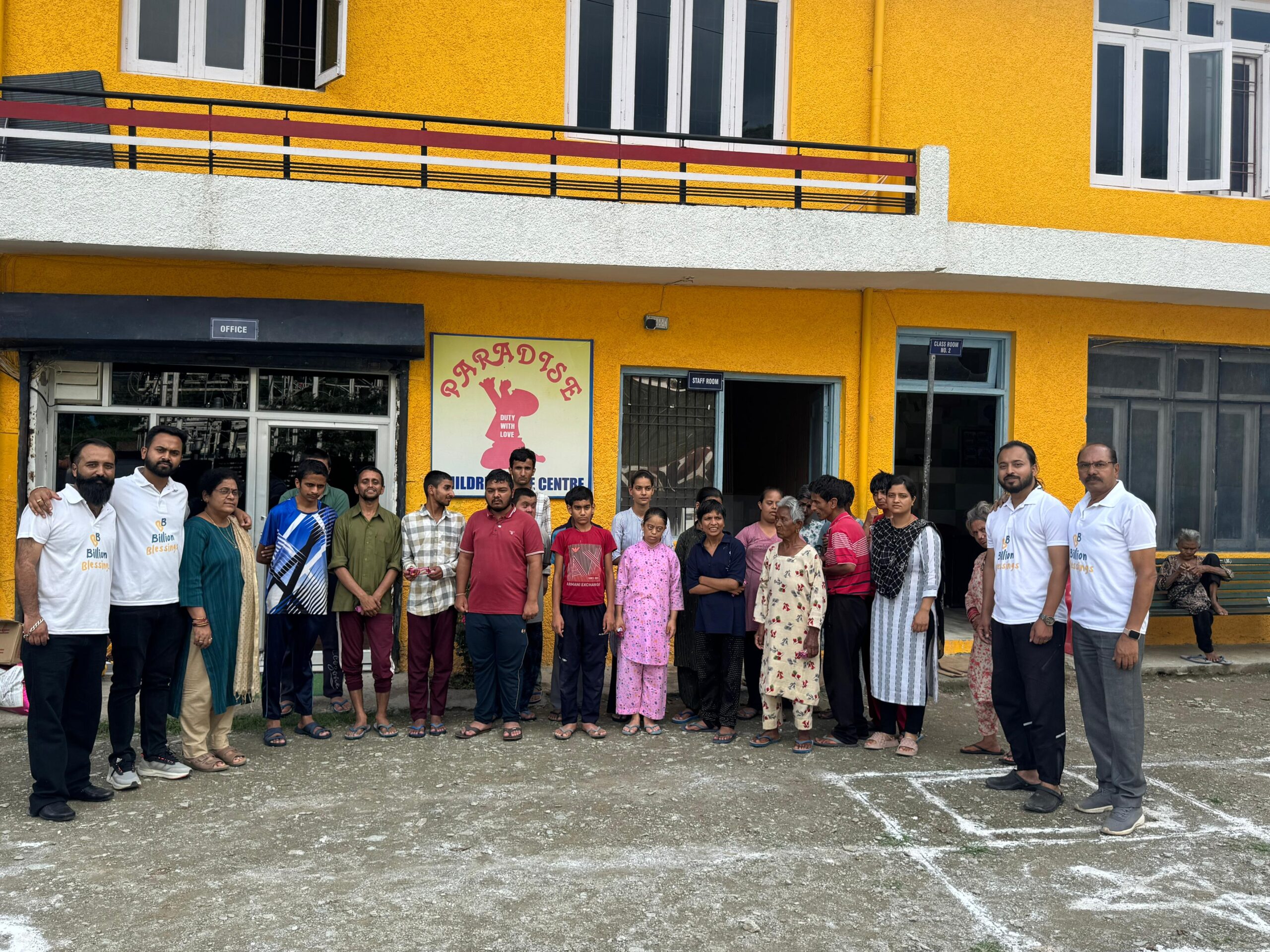
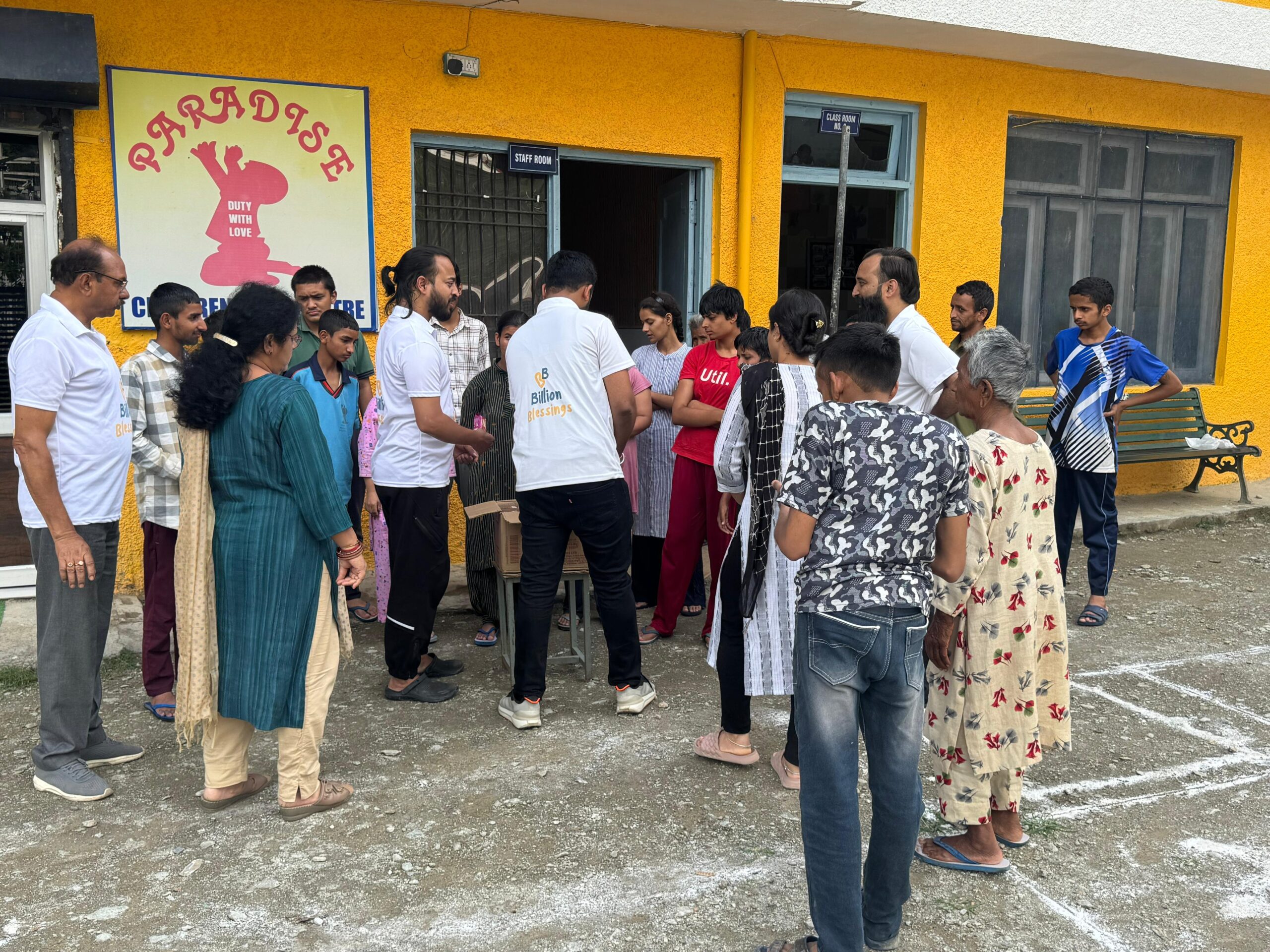
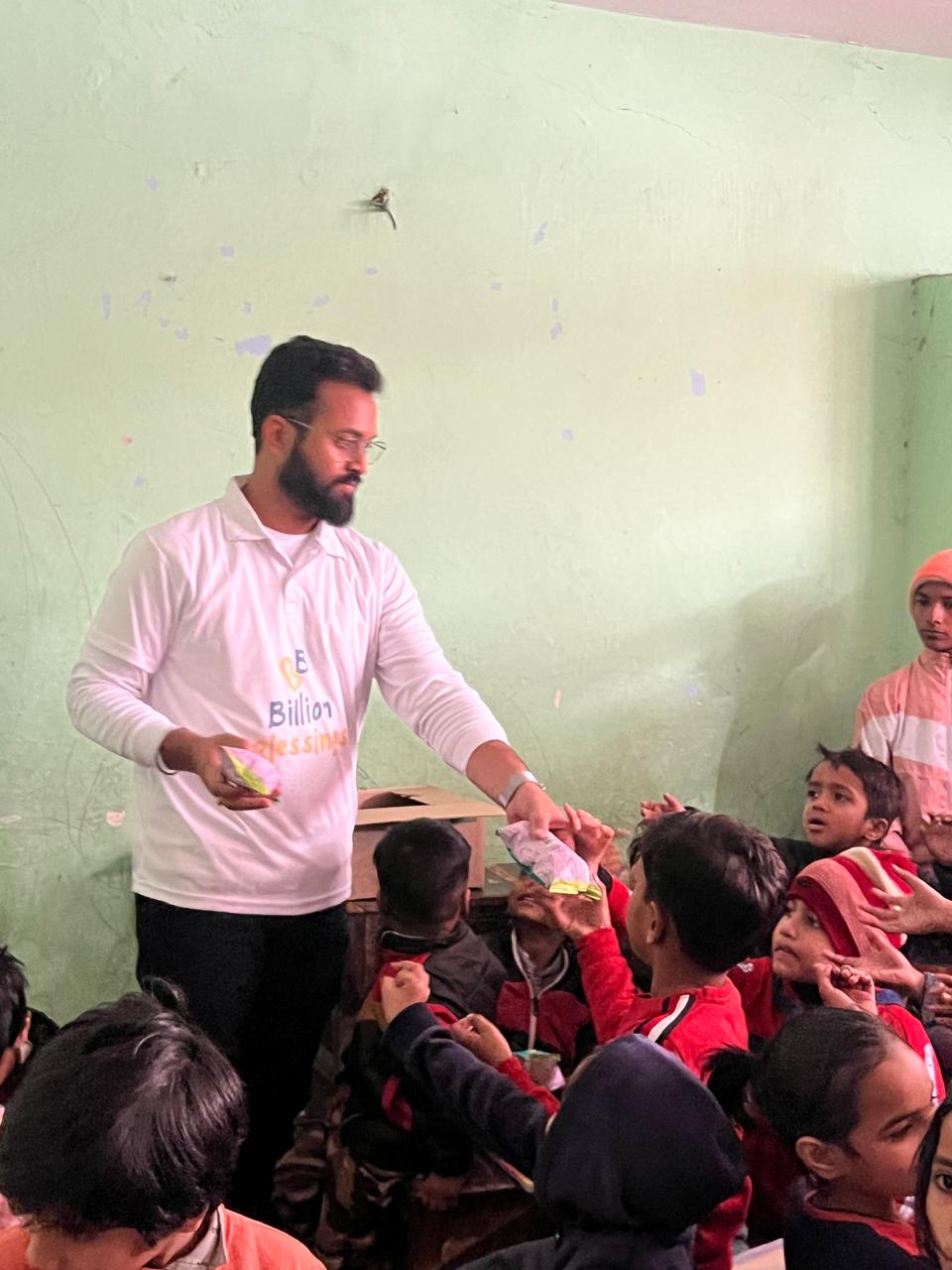
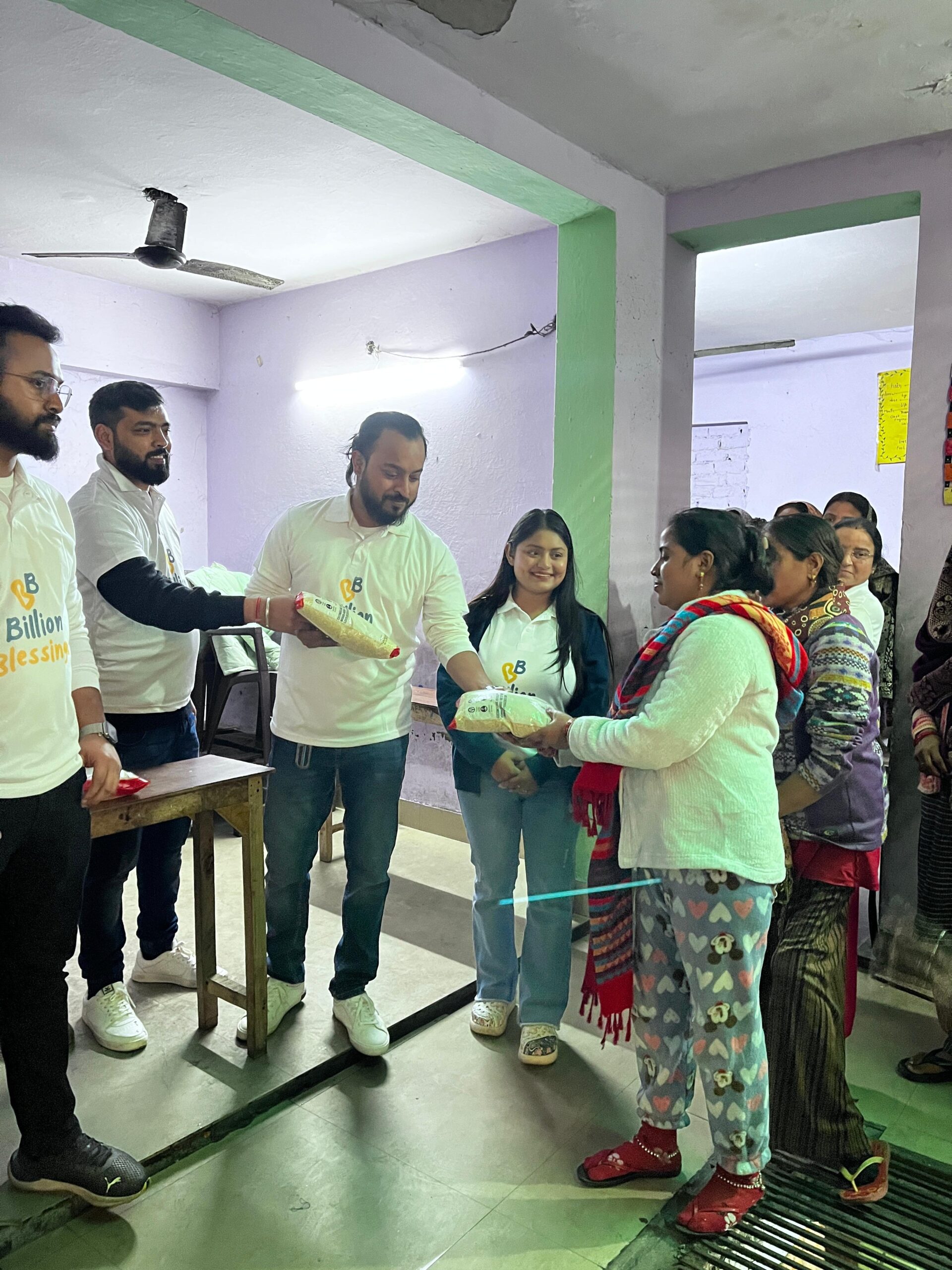
At Billion Blessings, we are committed to ensuring that every child gets an equal chance to learn, grow, and succeed. By supporting our education initiatives, you can help transform the lives of underprivileged children, giving them hope and a brighter future.